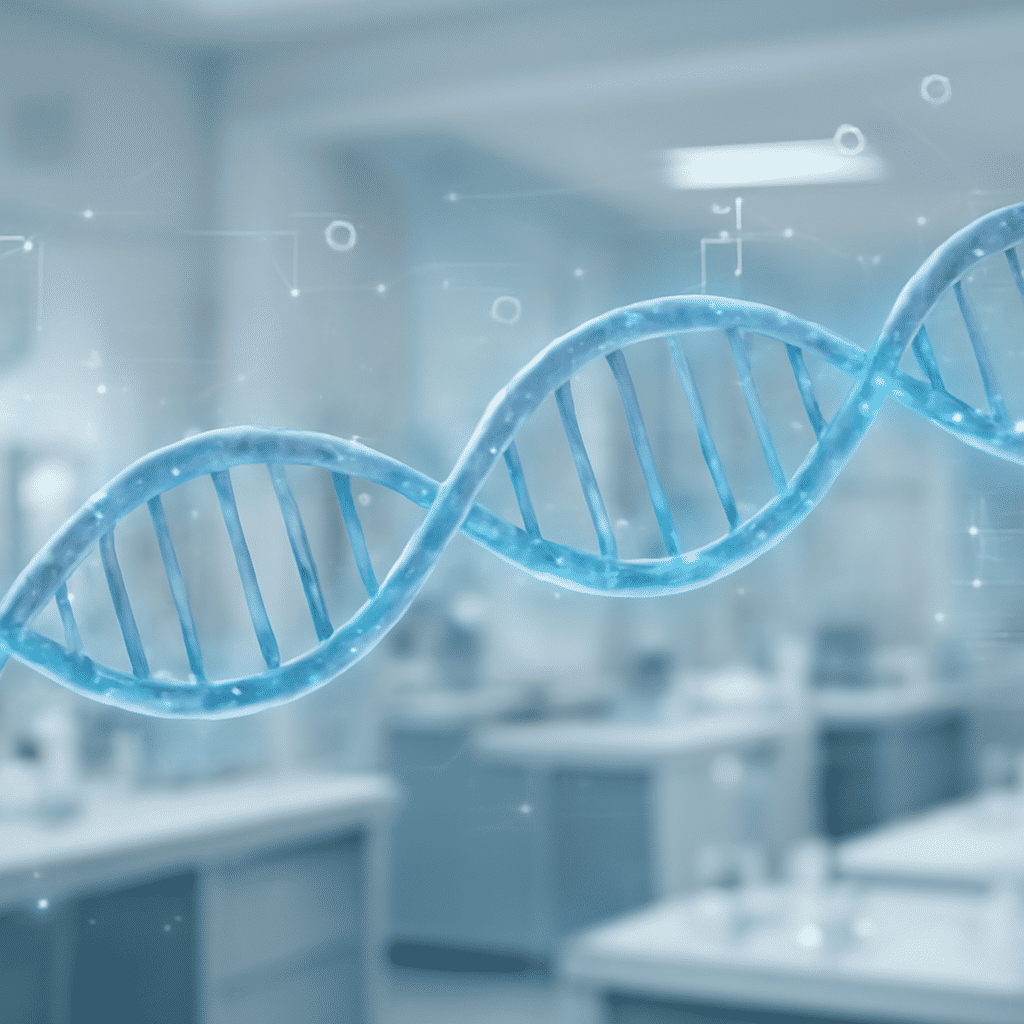
In recent years, the field of genetics has witnessed revolutionary advancements, particularly in the realm of genome editing. These breakthroughs are set to transform not only the landscapes of medicine and agriculture but also our understanding of biology itself. At the heart of this revolution is the development and refinement of precise genome editing tools, which offer unprecedented control over the genetic makeup of living organisms.
Genome editing involves making precise alterations to the DNA sequence of an organism, and recent technological advancements have made this process more efficient and accurate than ever before. One of the most notable tools driving this progress is CRISPR-Cas9, a technology that has become synonymous with genetic innovation. CRISPR-Cas9 allows scientists to cut and modify DNA with a level of precision previously unimaginable. This tool has opened up new possibilities for correcting genetic disorders, enhancing agricultural productivity, and advancing our understanding of complex diseases.
Beyond CRISPR, other genome-editing technologies such as base editing and prime editing have also emerged. Base editing enables scientists to make single-nucleotide changes without cutting the DNA, thereby reducing the risk of unintended mutations. This method offers a safer alternative for correcting point mutations that cause certain genetic disorders. Prime editing extends this capability by allowing the insertion, deletion, or replacement of DNA sequences with even greater precision, further minimizing potential errors.
One of the most promising applications of these groundbreaking technologies is in the field of medicine. Genetic disorders that were once considered incurable are now being revisited with fresh hope. Conditions such as cystic fibrosis, sickle cell anemia, and muscular dystrophy are among those that could potentially be treated through targeted genome editing. By directly addressing the root cause of these diseases at the genetic level, scientists hope to provide lasting, possibly curative, solutions.
In the field of agriculture, genome editing holds the promise of creating crops that are more nutritious, hardy, and resilient to climate change. By enhancing the genetic traits of plants, scientists are developing new varieties that require fewer pesticides and fertilizers, thereby reducing the environmental impact of farming. These modifications not only increase yield and resistance to pests but also help in designing crops capable of thriving in challenging environmental conditions.
Ethical considerations and potential risks remain central to ongoing debates surrounding genome editing. There is a concerted effort within the scientific community to establish stringent guidelines and regulatory frameworks to ensure safe and ethical applications of these technologies. Public engagement and transparent communication are essential in addressing societal concerns and ensuring that genome editing tools are used for the greater good.
As genome editing technologies continue to evolve, they bring us closer to a future where genetic diseases are curable, food security is enhanced, and ecosystems benefit from sustainable agricultural practices. The potential of these tools to revolutionize genetics is vast and marks an exciting chapter in our quest for a healthier and more sustainable future. By harnessing the power of precise genome editing, humanity stands on the brink of transformative discoveries that could redefine the future of life itself.