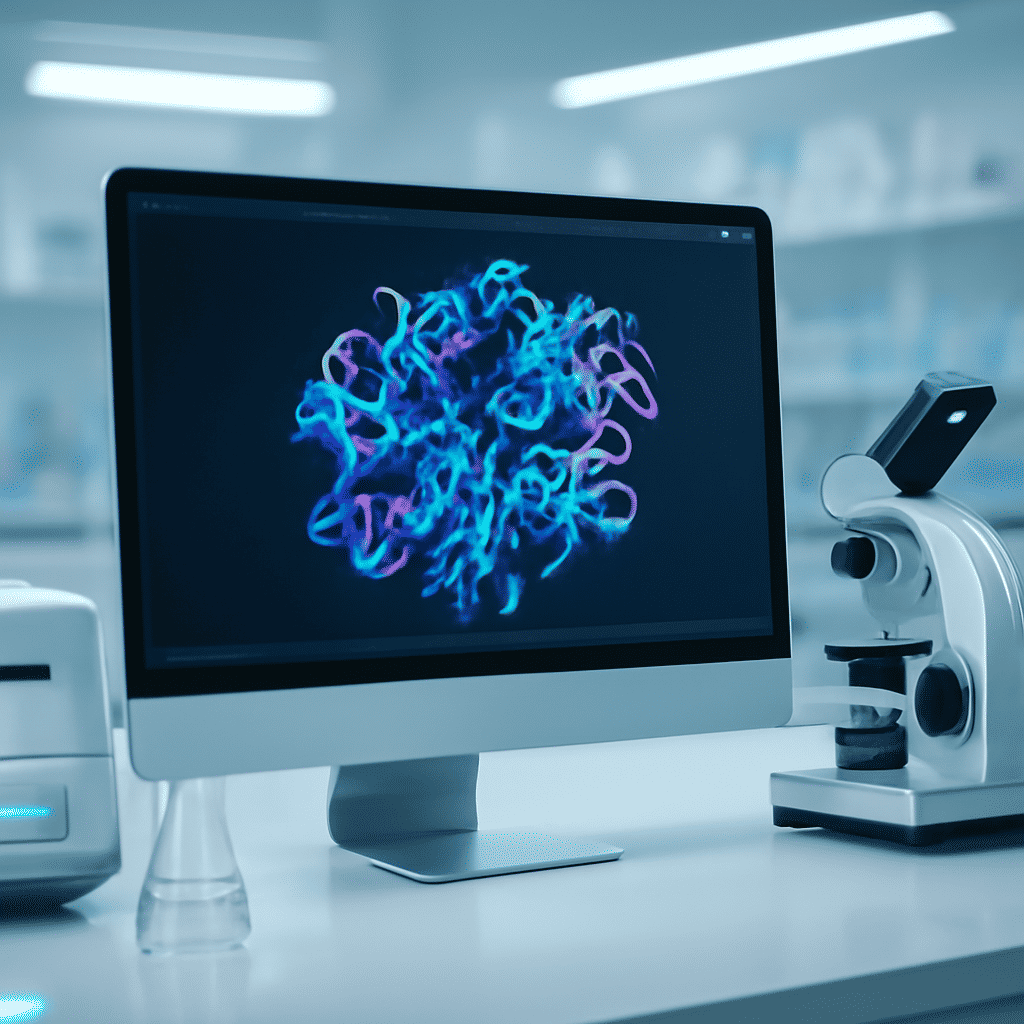
Protein engineering, a rapidly evolving field at the intersection of biology, chemistry, and technology, is poised to revolutionize industries ranging from healthcare to environmental science. With the potential to design proteins that perform specific functions, the future of protein engineering is brighter than ever, promising unprecedented advancements in therapeutics, sustainability, and beyond. At the forefront of this revolution is Amino Sequence Co, a company harnessing the latest technological breakthroughs to redefine what is possible in protein design.
Amino Sequence Co has positioned itself as a leader in the field by deploying state-of-the-art techniques that enhance the precision and efficiency of protein engineering. One of their most significant advancements involves the application of artificial intelligence (AI) and machine learning to predict protein structures and functionality. These tools enable scientists to design proteins with specific traits more quickly and accurately than traditional methods, drastically reducing the time from conception to execution.
The integration of AI in protein engineering represents a pivotal shift, particularly in understanding and manipulating the complex interactions that dictate protein folding and stability. By mapping these interactions, Amino Sequence Co can predict how modifications will affect a protein's behavior, leading to the creation of optimized enzymes for industrial processes, custom therapies for genetic disorders, and novel proteins with tailored properties for various applications.
Furthermore, Amino Sequence Co is pioneering the use of CRISPR-based technologies to facilitate precise editing of protein-coding genes. This cutting-edge approach allows for the direct alteration of genetic material to produce proteins with enhanced or novel functions, opening up new avenues in drug development and personalized medicine. By crafting proteins capable of targeting specific pathways within cells, the company is paving the way for groundbreaking treatments for conditions like cancer, rare genetic diseases, and autoimmune disorders.
Environmental sustainability is another area where Amino Sequence Co’s innovations shine. Their engineered proteins are playing a crucial role in developing biodegradable materials and biofuels, offering greener alternatives to traditional petroleum-based products. By enhancing the efficiency of natural processes, these proteins contribute to reducing the environmental footprint of industries ranging from agriculture to manufacturing.
Moreover, the company is dedicated to ensuring that its advancements are accessible and ethically deployed. They prioritize collaborations with research institutions, biotech firms, and regulatory bodies to establish guidelines that promote safe and equitable use of protein engineering technologies. This commitment to ethical responsibility ensures that the benefits of their innovations extend globally, opening up opportunities for development in regions that need them most.
Looking ahead, Amino Sequence Co is exploring uncharted territories in protein engineering, such as the design and synthesis of entirely synthetic proteins that could outperform their natural counterparts. These efforts promise to unlock new functionalities that could revolutionize sectors like energy, agriculture, and medicine.
In summary, the future of protein engineering is full of potential, brimming with possibilities that could redefine numerous facets of human life. Amino Sequence Co stands out in this future landscape, driving innovation through sophisticated technologies and responsible practices. As they continue to push the boundaries of what proteins can achieve, they are not just enhancing protein design—they are shaping a new era of technological advancement that holds the promise of a better, more sustainable world.